Emeriti Circle
At the heart of every impactful movement lies a foundation built by dedicated individuals who have poured their time, energy, and expertise into its success. For the Fetal Alcohol Spectrum Disorders (FASD) community, many of these leaders have shaped not only the growth of the Affiliate Network but also contributed to FASD United. To honor their contributions and maintain their invaluable presence, the Affiliate Network Emeriti Circle was formed.
Purpose of the Emeriti Circle
The Emeriti Circle serves a vital role in ensuring the ongoing success and growth of the Affiliate Network. It exists to:
- Honor the Contributions of Retired Leaders: The Emeriti Circle acknowledges those who played a key role in advancing FASD awareness, education, and support. These leaders, on whose shoulders the current generation stands, are essential to preserving the spirit and mission of the Affiliate Network.
- Ensure Continuity: Retired leaders offer invaluable insights and memories that help bridge the past and future. Their experiences and connections, both within and outside the FASD network, provide institutional memory, ensuring that the knowledge they’ve built doesn’t fade with time.
- Access to Wisdom: The perspectives, ideas, and expertise of retired Affiliate Network leaders are a priceless resource. Through the Emeriti Circle, their knowledge remains accessible, enriching the work of FASD United and the Affiliate Network.
- Foster Enduring Relationships: This initiative maintains a lasting connection between these leaders, FASD United, and the broader Affiliate Community, providing them with a continued role in the movement they helped shape.
Membership in the Emeriti Circle is selective, designed to include those who have demonstrated leadership and commitment to the FASD cause. To be considered, individuals must:
- Have held a significant role at the national level, contributing to the strategic growth of the Affiliate Network.
- Be a previous volunteer or staff member at an Affiliate.
- Have retired or departed from their role within the Affiliate Network.
These criteria ensure that the Emeriti Circle is composed of leaders who have made meaningful contributions, preserving the integrity and purpose of the initiative.
Emeriti Circle members not only receive recognition for their past service but continue to play an important role in shaping the future of the Affiliate Network. Some of the benefits and roles include:
- Recognition: Each member receives and award in appreciation of their service, recognizing their invaluable contributions.
- Event Participation: Emeriti members are invited to attend selected FASD United Affiliate Network events and activities, allowing them to stay connected and engaged, as much as they desire.
- Strategic Input: They may also participate in high-level strategy discussions and offer feedback on Affiliate Network activities and initiatives when needed.
- Providing Expertise: Their wisdom, ideas, and institutional knowledge are often sought to help guide the Affiliate Network or assist a particular affiliate in navigating challenges or seizing opportunities.
The process of becoming an Emeriti Circle member begins with a nomination from the Affiliate Network Executive Council or FASD United board members. From there, the nominee is approached by the Affiliate Network Director or Affiliate Network Executive Council Chair to gauge their interest. Once the individual accepts, their profile is showcased on the FASD United website, and announcements are made to celebrate their contributions to the national FASD movement.
One of the unique aspects of the Emeriti Circle is that there is no end date to membership. Once honored, these leaders remain part of the Circle indefinitely, a testament to the enduring value they bring to the FASD cause.
The FASD United Affiliate Network Emeriti Circle is more than just an acknowledgment of past achievements—it’s an active, vibrant connection to the legacy of the FASD movement. Through this Circle, we continue to honor the wisdom, leadership, and vision of those who have come before us, ensuring that their legacy guides us as we move forward in our shared mission.
As we celebrate these leaders, we also celebrate the future they’ve helped to build, creating a strong, supportive community for families and and people with Fetal Alcohol Spectrum Disorders.
- Eileen Bisgard, Champion for founding Illuminate Colorado (2025)
- Louise Brassard, former Board Chair of NOFAS-NH (2024)
- Suzette Fisher, former President of Double Arc/NOFAS Ohio (2023)
- Dr. Gordon Hodas, MD, Champion of PA FASD Task Force (2026)
- Judge Michael Jeffery, FASD champion in Alaska courts (2025)
- Anne Linden, Founder of Ukraine Works (2026)
- Sara Messelt, former Executive Director of Proof Alliance, Minnesota (2023)
- Marilyn Pierce-Bulger, A.P.R.N, former Executive Director of the Alaska Center for FASD (2024)
- Judge Susan Shepard Carlson, Founder of Proof Alliance in Minnesota (2025)
- First Lady Emeritus Hope Taft, Former First Lady of Ohio (2026)
- Leigh Tenkku Lepper, PhD, former President of NOFAS Missouri (2023)
- Enid Watson, M.Div, former Director of Screening and Early Identification Projects at the Institute for Health and Recovery and massFAS (2024)
- Peggy Way, former President of SoCal NOFAS (2023)
- Ann Yabusaki, PhD LMFT, founding member of Hawai’i FASD Action Group (2025
Meet the Emeriti
Eileen Bisgard, JD
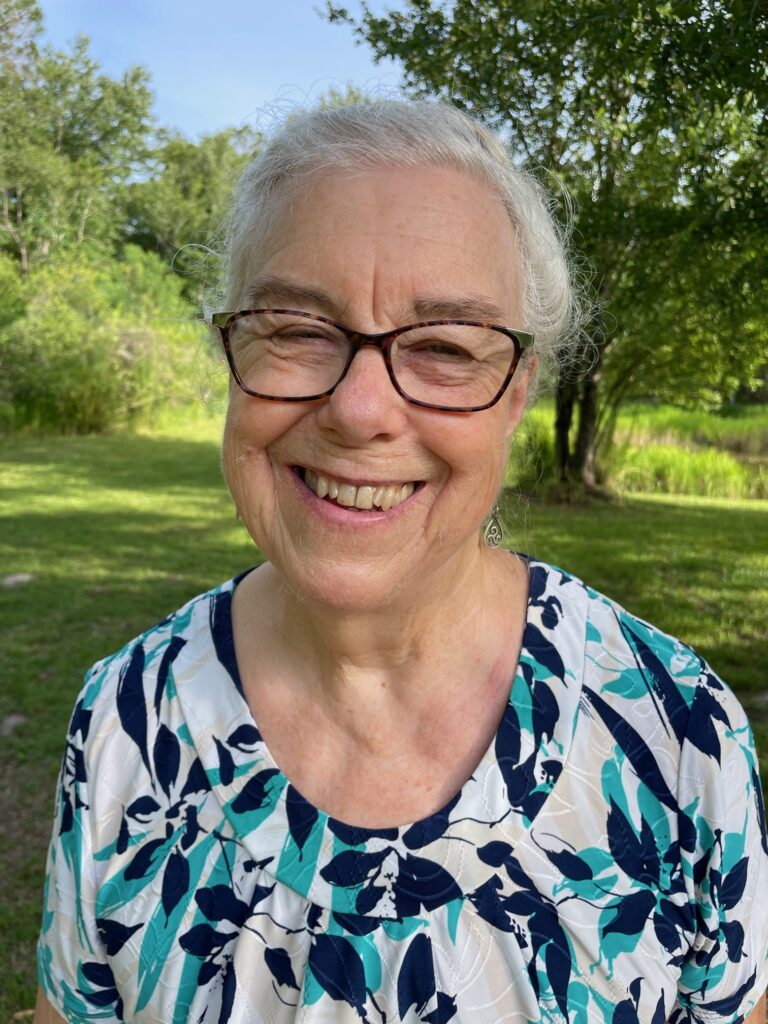
Eileen B Bisgard, JD represented children in the Colorado Juvenile courts for over 30 years prior to her retirement in 2012. As foster and then adoptive parents of children with Fetal Alcohol Spectrum Disorders, she and her husband became early advocates and trainers in the field of FASD. Eileen was instrumental in founding NOFAS Colorado and later merging it with similar non-profits to form Illuminate Colorado. She served as Project Director for two consecutive Seventeenth Judicial District FASD Projects funded by the FASD Center for Excellence. Eileen represented Colorado in the NOFAS Affiliate Network for many years and served on the ICCFASD Justice Issues Work Group. Eileen was awarded the NOFAS Affiliate Circle of Excellence Award in 2018 and Colorado’s Lori Moriarity Leadership Award in 2019.
Judge Susan Shepard Carlson (ret.)
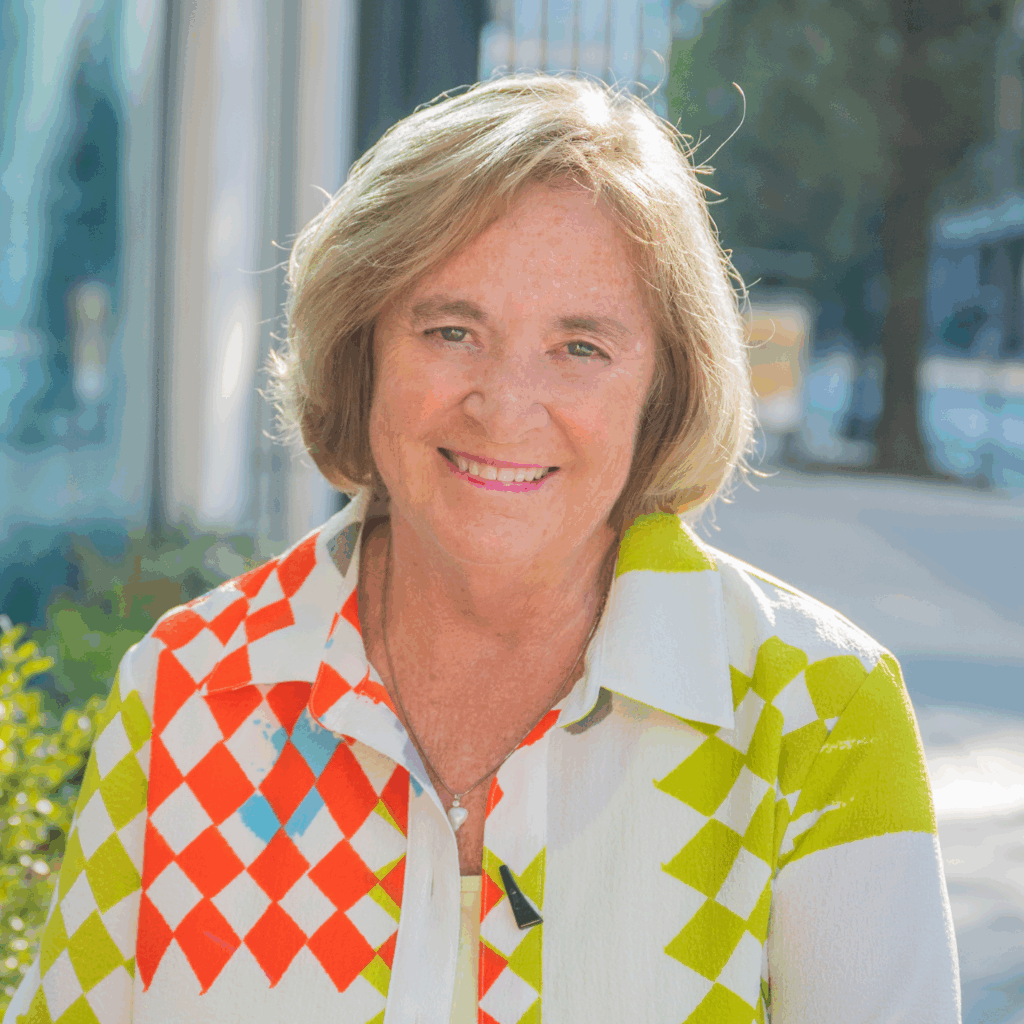
Susan Shepard Carlson, J.D., is a former board chair of FASD United and past chair of its Legislative and Policy Committee. A former First Lady of Minnesota (1991–1999), she is also a retired Hennepin County Juvenile Court judicial officer. Her work on the Governor’s Taskforce on FAS helped secure nearly $7 million in annual funding for FASD services in Minnesota.
Over more than 25 years, she has led national FASD advocacy, policy, and training efforts, including co-leading the adoption of the ABA’s FASD resolution in 2012. She authored Tools for Success, a guide for juvenile justice professionals, and directed an FASD screening pilot in Minnesota’s juvenile courts. Carlson also founded MOFAS (now Proof Alliance), the first state FASD affiliate, and rejoined the FASD United Board in 2018 to lead efforts for the FASD Respect Act. She holds a B.A. in Political Science from the University of Minnesota and a J.D. from Hamline University School of Law.
Dr. Gordon Hodas, MD
Dr. Hodas has authored and contributed to numerous publications and presentations on the nature, challenges, and prevention of FASD, emphasizing the importance of early identification and systemic intervention My ODP+2. In his writings, he argues that early detection — ideally by age 2 — is critical because brain plasticity is greatest in early childhood, even for children with in-utero brain damage My ODP+1. He has also highlighted the need for a comprehensive FASD system of care that involves collaboration between families, service providers, and the community PA Care Partnership. His research and advocacy focus on:
- Strength-based, collaborative interventions that address the child’s strengths and limitations while promoting positive developmental outcomes PA Care Partnership.
- Prevention of FASD through public health messaging to women of childbearing age PA Care Partnership.
- Early identification to provide a cognitive anchor for families, improve expectations, and reduce blame PA.GOV.

Judge Michael Jeffery (ret.)
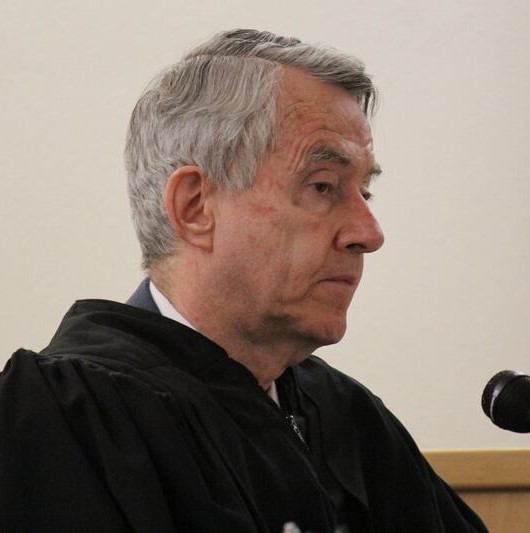
Michael Jeffery moved to Utqiagvik, Alaska in 1977 to open the Alaska Legal Services Corporation office. After nearly six years, he was appointed the North Slope’s first Superior Court Judge, serving for 32 years until retiring in 2014 upon reaching the constitutional age limit. Since 1996, he has focused on Fetal Alcohol Spectrum Disorders (FASD) and its impact on the justice system, advocating for more informed and equitable legal practices. His work has earned recognition from media outlets and organizations such as the Alaska Federation of Natives. He helped establish FASD as a mitigating factor in sentencing and contributed to Alaska’s FASD 5-Year Plan. He has provided FASD training across the U.S., Canada, and Australia. A board member of the Alaska Center for FASD and liaison to NOFAS’s Affiliate Network, he continues his advocacy through education and community service. He graduated from Stanford University and the Yale Law School.
Anne Linden
Founder of Ukraine Works, Ltd.
Founded in 2007 and closing in 2025, Ukraine Works gave countless FASD trainings across the country, including to its government health ministers, and translated many crucial FASD materials into Ukrainian for the first time. They estimated that “25–35% of women in Ukraine consume alcohol during pregnancy.”
Ukraine Works was a longstanding member of the FASD United Affiliate Network.
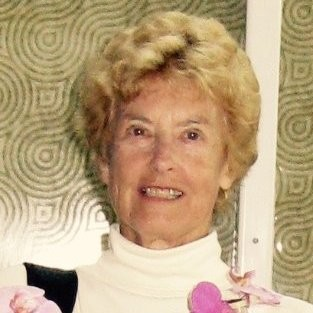
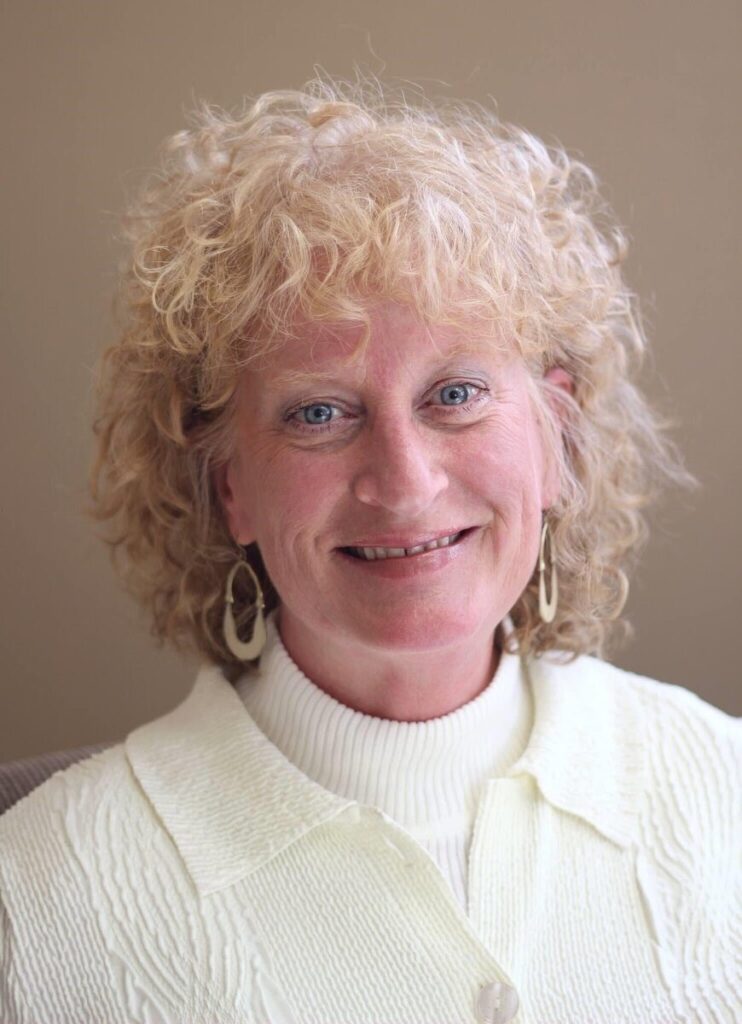
Sarah Messelt
Sara Messelt led Proof Alliance, the Minnesota-based FASD United Affiliate, for 16 years as Executive Director before her retirement 2022. Prior to that Sara led much of the program development and implementation of Proof Alliance’s prevention and support programs that have become the gold standard for addressing this public health issue of FASD. Before that, Sara spent 18 years with the March of Dimes on the state and national level, developing prenatal outreach programs for the community and workplace, and training maternal child health volunteers across the country. She has a strong interest in the intersection of prenatal alcohol exposure and social determinants of health. She has been on the Executive Council for FASD United and led several national tasks forces. She also served as the Co-Principal Investigator for the Safest Choice Learning Collaborative, the HRSA-funded program designed to increase screening for prenatal alcohol exposure and FASD in primary health care settings. She also was a member of the Diagnostic Work Group for the Interagency Coordinating Committee on Fetal Alcohol Spectrum Disorders.
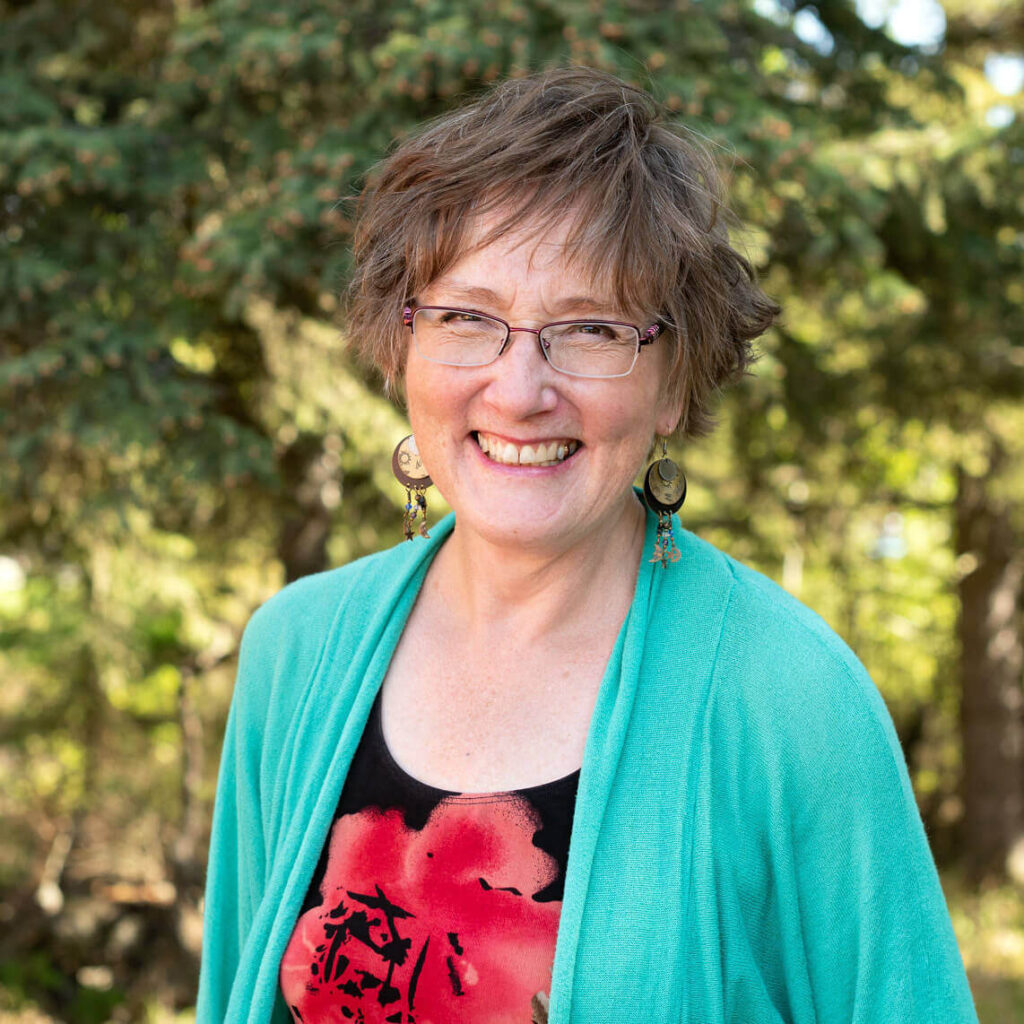
Marilyn Pierce-Bulger
Marilyn is a family nurse practitioner and certified nurse-midwife with 45 years’ experience in maternal and child health and 25 years’ experience in the field of FASD. She created Nutaqsiivik, a home visitation program, to address the high post neonatal infant mortality health disparity for Anchorage urban American Indian/Alaska Native infants. During that work she discovered that a large percentage of the high social risk clients served by the program either had an FAS/FAE diagnosis or were living and parenting unsuccessfully due to an undiagnosed cognitive impairment. She has worked as a consultant for the State of Alaska, University of Alaska (UAA) Center for Behavioral Health Research and Services CDC-funded FASD projects, and the National Institute of Child Health and Human Development (NICHD)/Native American Management Services- Healthy Native Babies project. She founded and managed the Anchorage FASD Diagnostic team for 10 years and created the Alaska Center for FASD in 2017 to promote prevention, support caregivers and individuals with FASD, and to advocate for systems change.
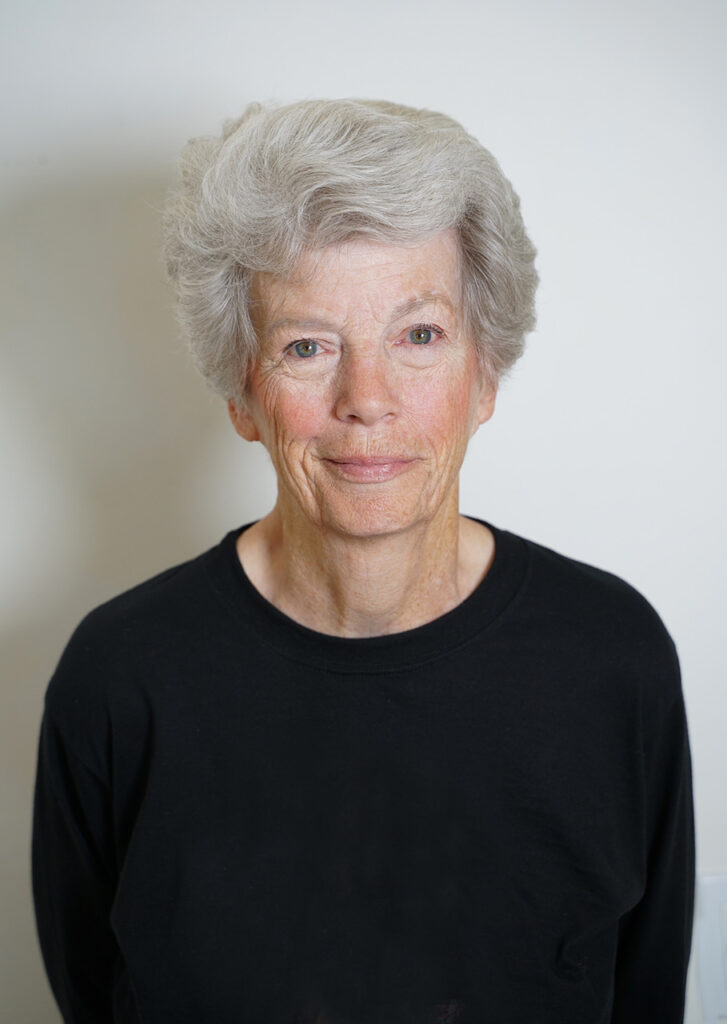
Hope Taft, First Lady Emeritus
Hope Taft, First Lady of Ohio (Emeritus), in partnership with Suzette Fisher, members of the Ohio Family and Children First Cabinet Council (FCFC) formed the Ohio FASD Steering Committee in 2003. The committee included nine state agencies, institutes of higher education, providers, and parents. As former First Lady of Ohio (wife of Governor Bob Taft, 1999-2007), she leveraged her platform to bring statewide and national attention to how prenatal alcohol exposure affects brain development and behavior. Taft’s work emphasizes that early intervention, stable home environments, and properly informed public defenders or judges can radically change life outcomes and prevent individuals with executive function impairment from getting lost in the justice system. The Hope Taft Award has been presented to both professionals and parents/caregivers in Ohio who have made an impact in the field and community.
Dr. Leigh Tenkku Lepper
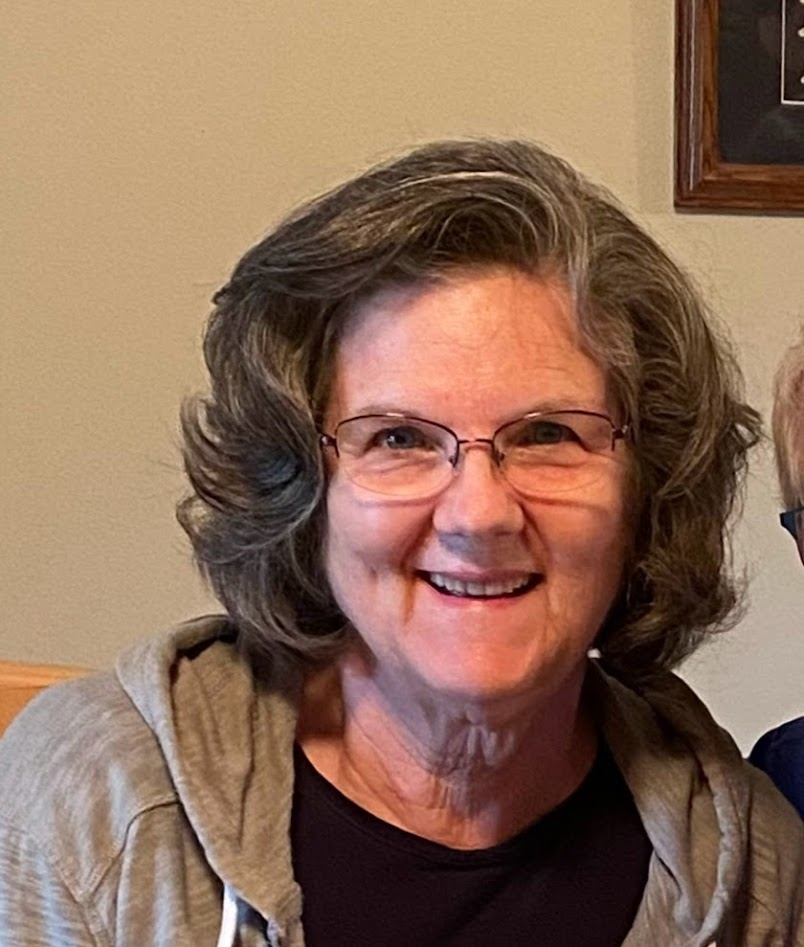
Dr. Leigh Tenkku Lepper received a doctorate in Public Health from Saint Louis University and served as Director for Research in the Family and Community Medicine department of the Medical School for 10 years. She then served as Director for Research at the University of Missouri for seven years before retiring in 2019. She has numerous publications focused on providing education and training for health providers on prevention of alcohol-exposed pregnancies as well as education, care and treatment for those diagnosed with Fetal Alcohol Spectrum Disorders. During her tenure as professor, she received 20 years of continuous funding as PI from the Centers for Disease Control and Prevention and also from the Substance Abuse and Mental Health Services Administration. Dr. Tenkku Lepper designed a web-based training module for health providers, specifically focused on Alcohol/Opioid Use Screening and Brief Intervention that is utilized by professionals across the country. She was extensively involved at the national FASD United organization serving as Chairman of the Affiliate Network as well as serving as a member of the FASD United Board, and the National Papillion Center Board as Chair. She was President of her own non-profit organization, NOFAS-Missouri from 2012 through 2021.
Enid Watson
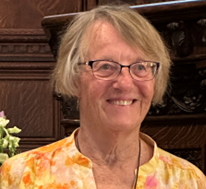
Enid was the Director of Screening and Early Identification Projects at the Institute for Health and Recovery. On behalf of the Massachusetts Department of Public Health, she and Norma Finklestein, PhD., founded the position of the MA FASD State Coordinator with a network of professionals and parents. She worked with medical professionals across the state to increase provider comfort with FASD Prevention efforts such as SBIRT protocols. Ms. Watson provided local, national and international trainings on issues related to FASD, SBIRT, pregnancy and substance use for 20 years. Enid and Dr. Finkelstein co-founded massFAS.org, a resource for families and social service agencies.
Selected Bibliography
Watson, E., Finkelstein, N., Gurewich, D. & Morse, B.. (2011) The feasibility of screening for FASD risk in early intervention settings: A pilot study of systems change. Infants and Young Children. April/June (24:2, 193-206)
Price, A., Bergin, C., Luby, C., Watson, E., et al (2012). Implementing Child Abuse Prevention and Treatment Act (CAPTA) requirements to serve substance-exposed newborns: Lessons from a collective case study of four program models. Journal of Public Child Welfare, 6(2), 149-171.
Peggy Way
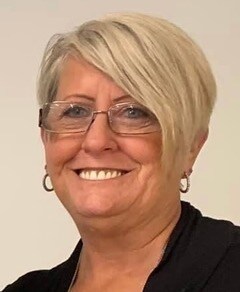
Peggy Way is the past president of SoCal NOFAS, the Southern California affiliate of FASD United, and the former chair of FASD United’s Executive Council. Peggy is currently a FASD Consultant and has collaborated on special projects with UCSD’s Center for Better Beginnings, the American Academy of Pediatrics, and the American College of Obstetricians and Gynecologists. Peggy is the birth mother of a 40-year-old daughter who was diagnosed with FAS in 1986 and is also a member of the Circle of Hope, a birth mother mentoring and speaker program. Peggy and her daughter, Tracy, have been sharing their story at the state and national level for the past 20 years. Peggy currently resides in Southern California with her husband and two dogs.
Ann S. Yabusaki, PhD, LMFT
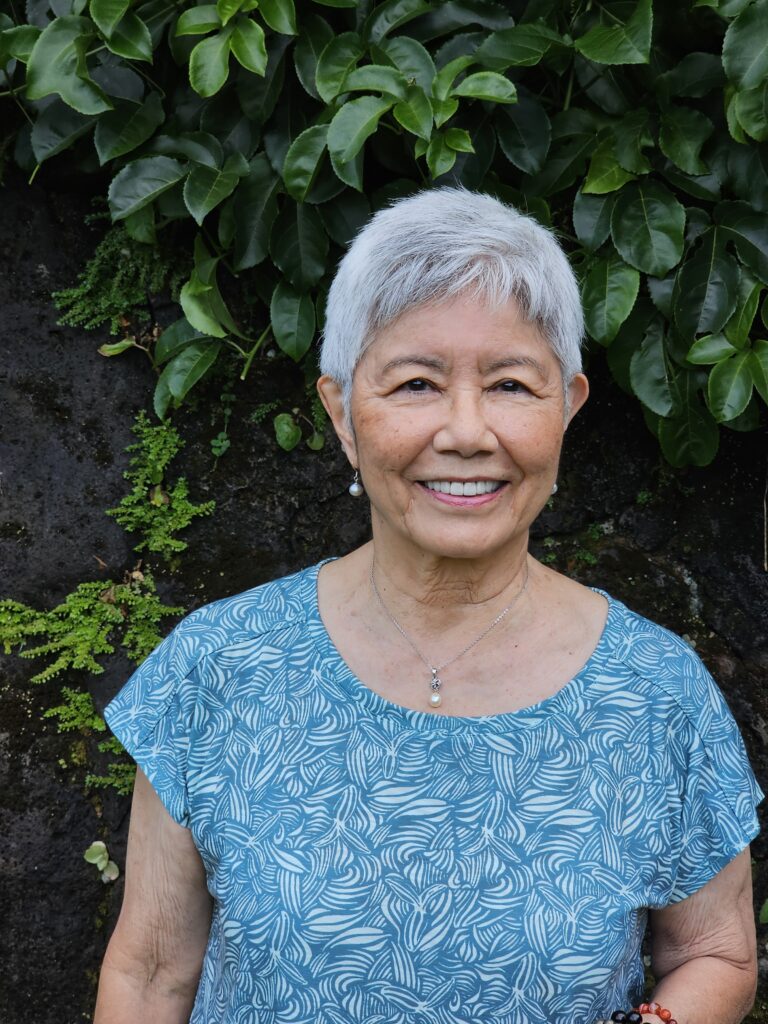
Dr. Ann Yabusaki is a founding member of the Hawaii Fetal Alcohol Spectrum Disorders (FASD) Action Group and has over 35 years of experience in psychology and family therapy. Her work focuses on families, adolescence, substance use, and culturally informed care. She served as a faculty member and administrator for several schools of psychology, helped create a Doctor of Psychology program founded on cultural perspectives, consulted with the federal government, and trained bilingual and bicultural therapists and therapists in training in the San Francisco Bay Area. In 2015, she founded the Hawaii FASD Action Group to improve services for affected youth, helping it grow into a nonprofit that now provides statewide education and support.